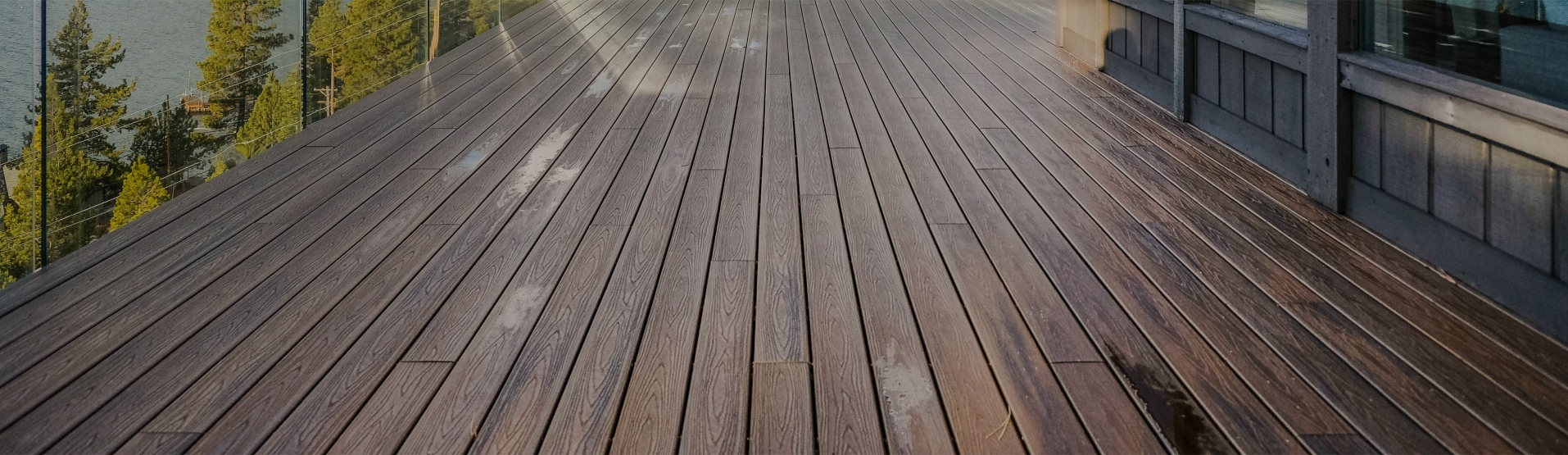
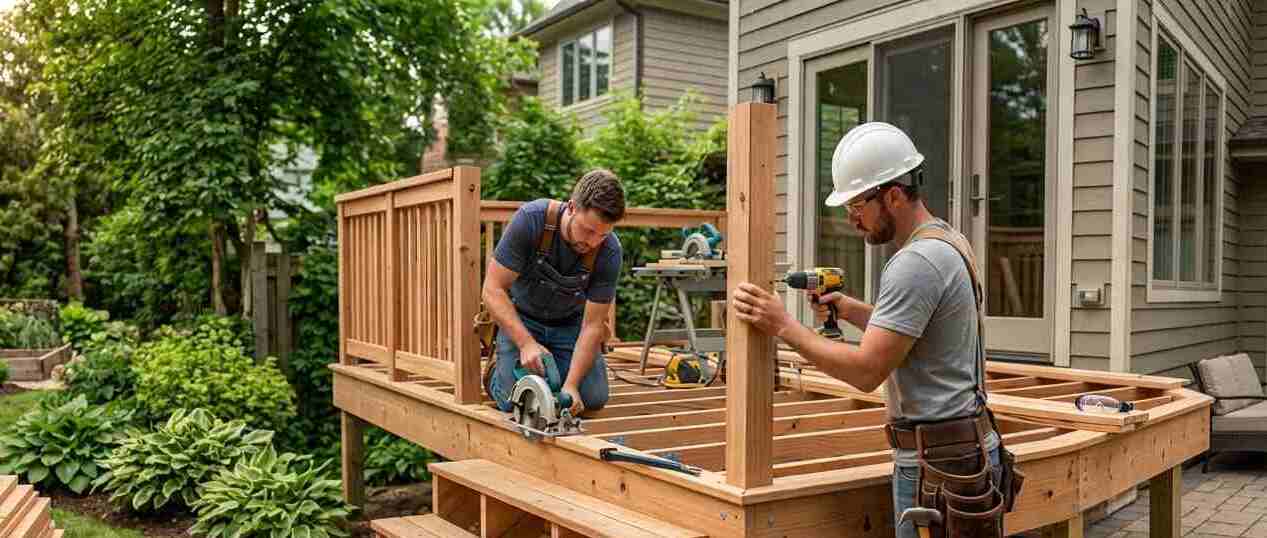
A deck can make your backyard a comfortable outdoor living area. It provides you with space to unwind, play, dine, and enjoy the fresh air. Decks, however, should be maintained on a regular basis to keep them safe and appealing.
In some cases, the solution is as easy as a fix. Other times, it may be necessary to replace the entire deck. Thus, homeowners need to take time to learn about their choices before beginning a job.
Planning is important for both minor deck repairs and when building a new deck. With the right solution, safety, beauty, and lifetime value can be enhanced.
Examine the entire deck prior to making decisions. Don’t judge a book by its cover. Issues that arise with the smallest of things may be a sign of more serious structural issues.
Check out these important areas:
There are poor connections between structural components. Also, focus on movement. A professional should look at a wobbling or shaky deck.
It’s not always necessary to replace the entire deck. With the proper repair, damaged sections of the deck can be salvaged, and the life of the deck can be extended.
For instance, contractors can install new boards and reinforce weak areas. They are also capable of fixing stairs, railings, posts, and other parts.
It can be beneficial to repair a deck when:
But repairs should address the cause of the issue. Taking a few patches on damaged wood may only put off major problems.
At times, repairs are not enough to offer a viable long-term solution. If you have an older deck, it could be constructed with outdated methods and/or be severely damaged. When you’re seeing multiple serious issues, it’s time to think about replacing the deck.
Typical symptoms are:
Also, homeowners can opt for replacement for design purposes. Installing a new deck can offer improved functionality and a contemporary look.
Several factors are involved in the repair/replace decision: Price is important but shouldn’t be the sole factor.
Consider the age, condition, design, and intended use of the deck.
Ask yourself:
This can be made easier with professional assessment. It’s also a good way to educate homeowners about what the project may require.
A new deck offers more design flexibility. You can make a room around your way of living rather than conforming to an outdated structure.
The first question to ask is: what will you do with the deck? For instance, you could require room to host outdoor dinners or family occasions.
Next, consider:
Also consider the deck’s connection to the current landscape. Your home and backyard should match up to a well-planned deck.
The materials used in a deck can have an impact on how it looks, how it is maintained, its lifespan, and the overall cost of the deck. Hence, homeowners must do their homework to compare.
When choosing materials, keep in mind that:
It’s all about what type of material suits your home’s requirements and what you’re looking for when maintaining the house.
Railings and stairs are key to deck safety. They also play a part in the overall design of the deck.
In the course of a project, take the following features under careful consideration:
A well-thought-out design makes it more comfortable as well as more functional.
One of the major concerns for homeowners is boards and materials. But a deck installation is not just the deck itself.
Other expenses you can expect to have:
So, ask for an in-depth project estimate prior to work beginning. Without a clear estimate, there is a risk of additional expenses.
Local building requirements and permits may apply to deck projects. These rules may be project-specific and/or location-specific. Prior to building, check your property’s needs. Your contractor will be able to assist you in understanding the process as well.
Also, you might have to consider your property or existing structures. Avoid unnecessary delays through good planning.
A deck isn’t just for extra outdoor space. It should fit into your lifestyle and be an appropriate match for your property.
From a small repair to a new construction, plan carefully. Then, select materials and features to support your purpose.
Most of all, don’t ignore warning signs of structural issues. Having professional advice can assist you in making a safer, more practical choice.
If you’re planning deck repairs, replacement, or a new outdoor living space, FenceMaster can help turn your ideas into a well-planned deck project. Contact FenceMaster today to discuss your deck needs and explore the right solution for your home.
For Free Estimate Book NowInspect your deck every year, especially before heavy seasonal use or after severe weather.
Look for rot, cracks, loose boards, unstable railings, damaged stairs, and unusual structural movement.
Consider replacement when structural damage becomes widespread or frequent repairs no longer provide lasting value.
Composite decking generally requires less routine maintenance than traditional wood decking.
Yes, homeowners can customize layouts, materials, railings, stairs, and features around their outdoor lifestyle.