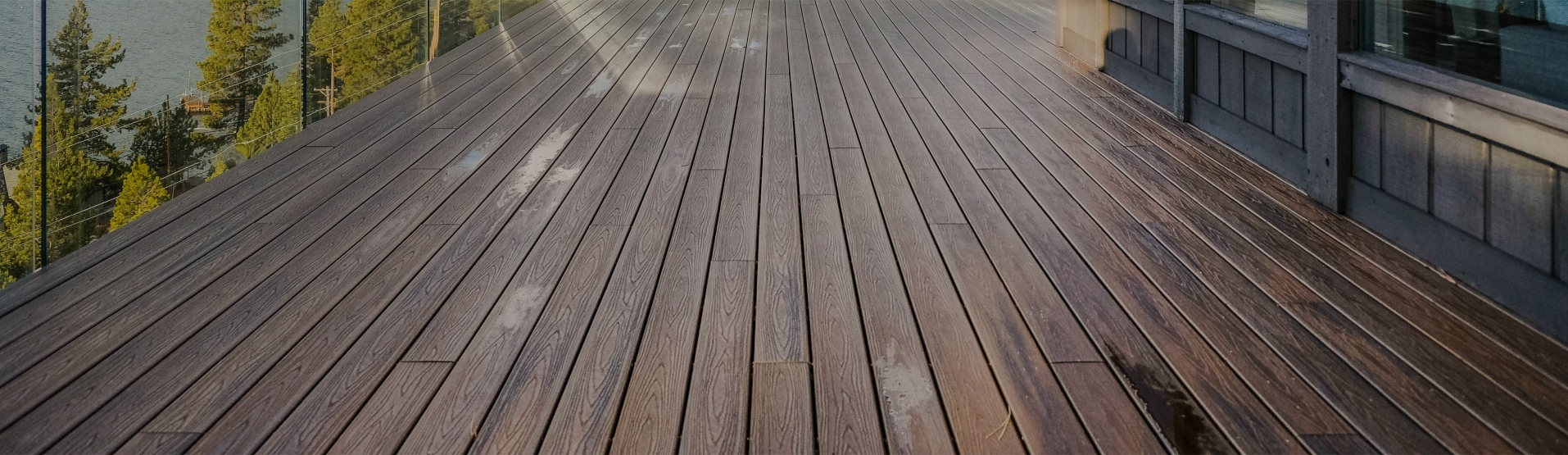
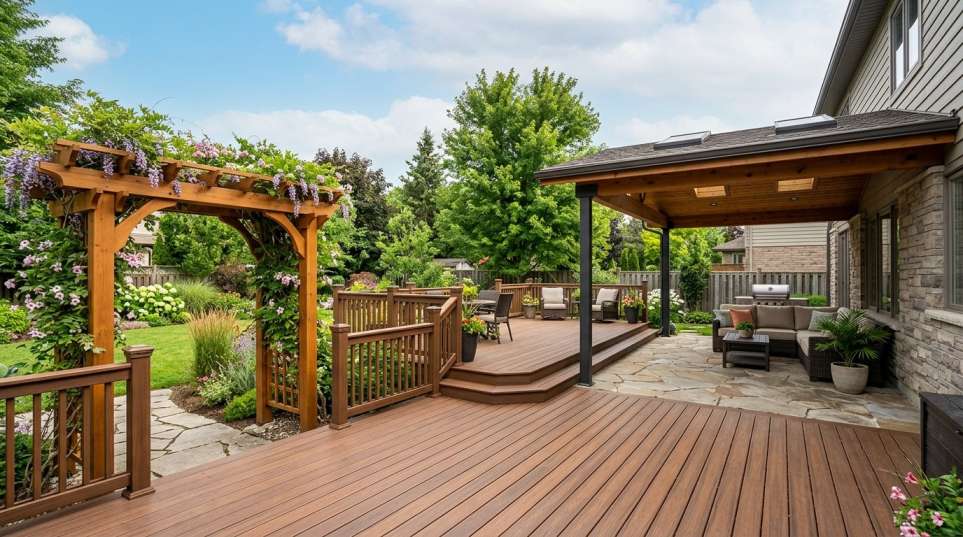
Decks provide floor space while patio covers offer reliable shade.
You want more usable square footage outside without baking in the midday sun. A custom deck gives you the foundation for outdoor living. Adding a solid overhead structure protects that investment. This combination lets you comfortably stay outside during sudden rain or peak heat.
Many homeowners get overwhelmed by the terminology and buy the wrong thing. Let us clear up the confusion.
A deck adds more immediate resale value by increasing your functional ground space.
It is seen that homeowners constantly blow their budget on a massive overhead roof over a cracked concrete slab. They think a bit of shade fixes everything wrong with their yard. But here is the thing. Nobody wants to sit outside if the ground underneath feels like a cheap afterthought.
Build your base first.
A properly constructed wooden deck returns about seventy percent of its cost at resale. Buyers love stepping out of their back door onto a level clean surface. A patio cover is fantastic for comfort but it only adds maximum financial value when it sits over a high quality deck or freshly poured concrete. Prioritize the floor before you worry about the ceiling.
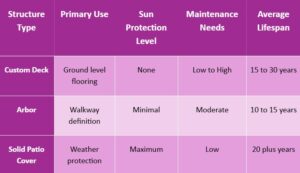
Understanding the basic differences helps you make smart choices quickly. Look at this comparison to see how each structure functions.
Composite decking beats traditional treated wood every single time.
Wood looks great on day one. Then month six arrives. You spend your weekends scrubbing and staining boards while your neighbors with composite materials are holding barbecues. Cheap lumber costs you double in maintenance after just three rough winters. Sun and rain warp basic planks faster than you expect.
Skip the basic pine.
Pay the upfront premium for synthetic boards. You get weather resistance and zero splinters. Think of composite decking like a good pair of work boots. It costs more at the register but saves you pain and replacement fees down the road. Wood requires a dedicated hobbyist to keep it looking pristine. Composite just needs a garden hose.
An arbor is an open slatted structure designed to support climbing plants and define a walkway. A patio cover is a solid roof extension of your house built to block rain and sun completely.
People confuse these terms constantly.
And honestly here is where people mess it up. They install an arbor expecting full afternoon shade. An open arbor provides about twenty percent sun reduction until your vines grow entirely. If you want to put a television outside or eat dinner during a drizzle you need a solid cover. Arbors belong over garden gates while covers belong over outdoor sofas.
Choose an arbor when:
Choose a solid cover when you plan to leave expensive plush furniture outside all year.
Yes, a permanent patio cover boosts property value by creating a true outdoor room.
Appraisers look at functional square footage. A covered dining space changes how a buyer sees a house. Suddenly that backyard becomes a secondary living area. I saw a small house sell well over asking price purely because the owners added an aluminum cover with integrated lighting.
Buyers pay a premium for turnkey comfort.
They walk outside and immediately picture themselves drinking coffee out there on a rainy morning. That emotional connection drives up offers. You need something bolted to the ground to move the financial needle.
You always need a building permit for any structural deck or attached roof extension.
Skipping the permit office ruins your home sale later. City inspectors eventually find out about unpermitted structures when you transfer the title. The buyer demands retrofitting before closing the deal. You pay fines and scramble to hire engineers to prove the footings are deep enough to support the weight.
Do it right the first time.
Pull the required documents before digging a single hole. It takes a few extra weeks of planning but saves thousands of dollars in legal headaches.
Your weekends are too valuable to spend sitting on a hot concrete slab.
Upgrading your outdoor living space needs expert planning, and real solid craftsmanship so the structural integrity doesn’t get compromised. When you go with professional installation, your new addition ends up looking really beautiful and it stands strong against heavy winds. You also skip those sneaky hidden costs that happen after amateur mistakes, you know.
Fence Master brings decades of hands-on experience building custom outdoor spaces that can take the weather and keep going. Contact us today to schedule a design consultation for your property and get that backyard upgrade you honestly deserve.
For Free Estimate Book NowA properly maintained treated wood deck lasts fifteen to twenty years before needing replacement. You must commit to annual sealing and prompt repairs to reach that maximum expected lifespan.
Yes you can secure an arbor to a structural deck. Builders bolt the support posts directly into the floor joists ensuring the heavy structure stays completely safe and entirely stable.
Solid covers reduce sunlight entering adjacent indoor rooms significantly. You can install translucent polycarbonate panels or skylights into the roof structure to maintain a bright airy interior living environment.
Aluminum provides superior longevity with minimal maintenance required over decades. Wood offers traditional warmth and beauty but demands regular painting to prevent rotting or destructive termite infestations over the years.
Composite decking requires simple seasonal washing with mild soap. Natural wood demands intense yearly power washing alongside fresh coats of protective stain to prevent severe cracking and dangerous splintering issues.