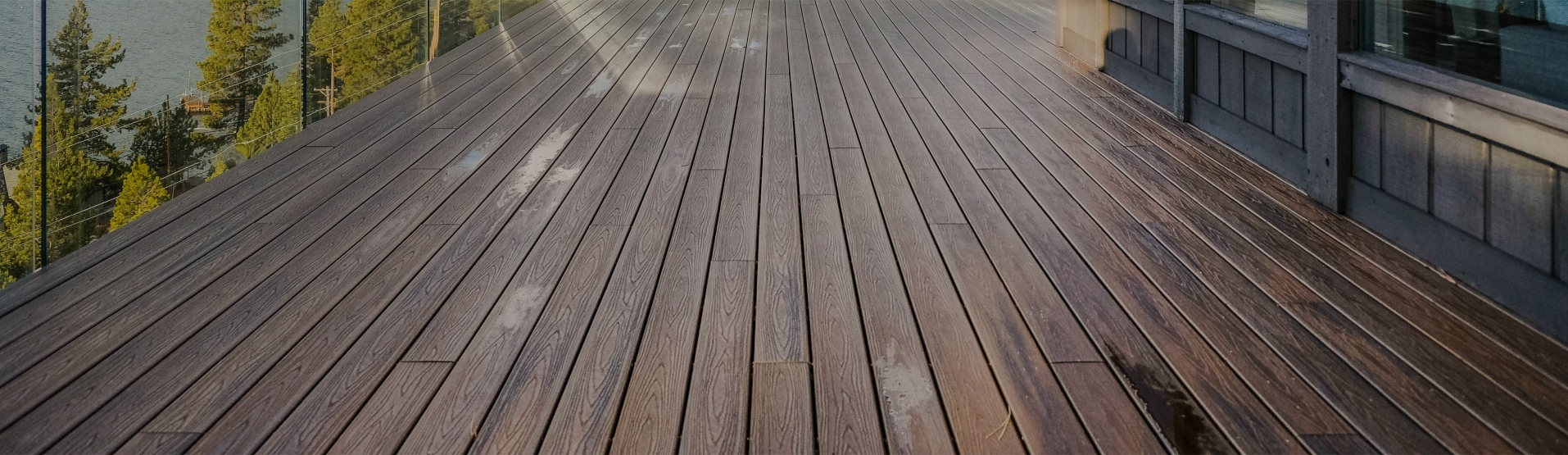
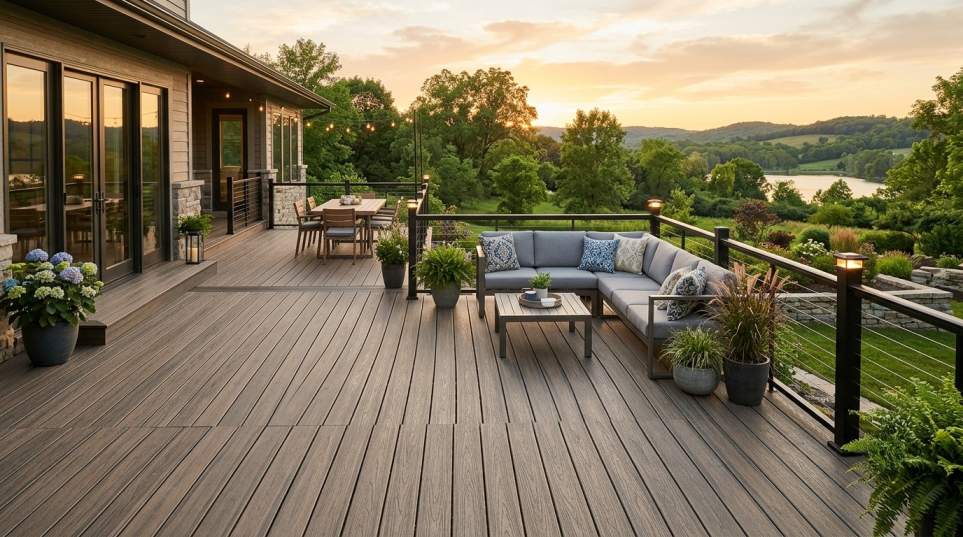
Composite decks survive decades without rotting. Manufacturers of these decks blend recycled wood fibers with dense plastics and wrap them in a waterproof polymer shell. This exact engineering process prevents the severe structural decay that destroys traditional lumber.
Let’s find out how composite decks provide long-term durability:
Building an outdoor living area is a huge investment of both time and money. Most people just look at the surface boards at the hardware store and assume they are all basically identical.
But here is where people mess it up.
The longevity of your patio comes down to a few very specific choices made at the factory. Traditional pressure treated pine is cheap upfront, but it also starts cracking and splitting the second it bakes in the fierce summer sun.
Manufactured boards fix this structural flaw by design. Production facilities compress a mixture of flexible plastic and hard sawdust under extreme heat. They bake the color and texture directly into the mold.
The final result is a heavy dense plank that ignores moisture completely.
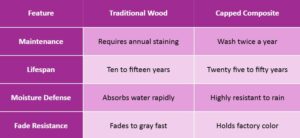
A beautiful surface is completely useless if the wooden frame underneath rots out. People often blow their entire project budget on premium composite boards and throw them over a cheap poorly built pine frame. That mistake costs thousands of dollars when the joists eventually sag under the heavy load.
Your foundation must be just as tough as the final top layer.
Engineered decking requires a highly precise substructure to support its weight and flexibility. Because these specific boards lack the rigid structural grain of natural tree lumber they will droop if your framing is sloppy. A standard deck frame built for stiff lumber will not work here.
You need to get these framing details exactly right.
Early generation composites suffered from a major design flaw out in the wild. They were basically exposed mixtures of unprotected wood and plastic pressed together. Mold spores loved to grow on those older boards because the natural wood fibers soaked up morning dew.
Modern manufacturing solved this exact problem permanently. Factories now employ thick capping technology to shield the vulnerable fibers.
Capped composite decking is highly waterproof on the surface but the cut ends remain vulnerable if left sitting in puddles. Manufacturers extrude a hard synthetic polymer shell entirely around the inner core material. Think of it like a standard golf ball. The heavy inside gives the board weight while the dimpled plastic cover takes all the physical abuse. Dropped hot dogs and spilled red wine sit harmlessly on top of the barrier.
You just wipe up the mess with a damp rag and move on.
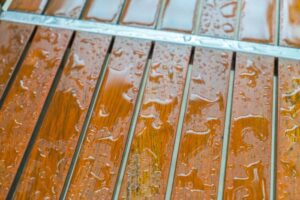
Driving basic steel screws straight down through the top of a composite board is an outdated newcomer move. Face screwing violently breaks the protective polymer shell and creates a tiny crater for acidic rainwater to pool into. Those tiny puddles eventually degrade the interior core and leave ugly rust rings on the surface.
You should always insist on modern hidden fasteners instead. They keep the protective shell entirely intact.
You prevent warping by using specialized hidden fastener clips that gap the boards automatically and allow for natural thermal expansion. Dense plastic composite expands outward when the blazing summer sun beats down on it and shrinks rapidly when the winter freeze hits. Securing a board tightly at both ends with traditional screws means it has nowhere to go when it expands. The trapped pressure builds up fast and the long board bends violently upward into a nasty trip hazard.
Hidden metal clips slide directly into the factory milled grooves on the side of the boards.
They hold the thick planks securely while giving them wiggle room to grow and shrink harmlessly. It works exactly like a massive concrete bridge built with flexible expansion joints. You never even see the hardware holding everything together.
Building a permanent backyard structure requires exact precision and the best modern materials available. Settling for cheap untreated lumber means you will spend every single summer out in the heat scraping flaking paint. Your free time is worth way more than a few saved dollars on a lumber order.
Leave the frustrating annual maintenance behind for good.
The experienced team at Fence Master knows exactly how to frame and install high quality composite materials so they easily outlast your thirty year mortgage. Give them a call today to map out a custom outdoor living space you can enjoy without dreading the upkeep.
For Free Estimate Book NowComposite boards retain slightly more heat than natural timber in direct sunlight. Choosing a lighter color and a grooved surface texture reduces the temperature under bare feet significantly.
Sealing the exposed ends is highly recommended for long term durability. Applying a specialized wax or paint prevents moisture absorption into the uncapped core where you made saw cuts.
You can safely pressure wash your outdoor space using a wide fan tip. Always keep the nozzle pressure low and spray in the same direction as the manufactured wood grain.
Modern capped options feature intense ultraviolet inhibitors baked directly into the outer shell. You might notice a very slight initial lightening but the primary color stays incredibly rich forever.
The thick polymer shell is incredibly tough and resists daily wear. Dragging heavy iron furniture without felt pads or letting large dogs dig might leave some minor surface scuffs.