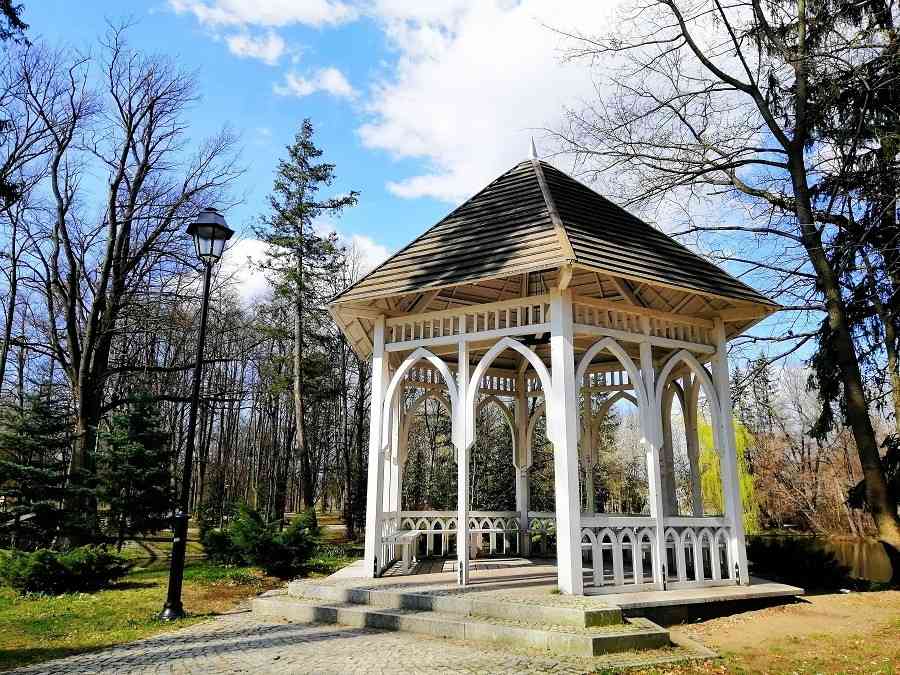
A well-placed arbor can completely change the feel of a yard. The combination of height and architectural design elements with natural beauty creates an effect that outdoor elements can barely achieve. The entire area becomes unbalanced when the arbor design or dimensions do not match the other elements in the yard.
The trick is matching your arbor to your outdoor space in a way that feels intentional. The article provides necessary information which enables readers to achieve their goal through material selection and climbing plant selection.
The addition of an arbor creates immediate character to any yard space. An arbor attracts attention while uniting all design elements. It establishes its worth through its role of either creating pathways through gardens or serving as the entryway to backyard spaces.
An arbor also functions as an anchor for an extended outdoor living space. It creates a designated area which allows people to move throughout the environment while providing a support system for climbing plants that display natural beauty without consuming valuable land area.
Material choice shapes how the garden arbor blends with the rest of the yard. The two most popular options are wood and metal, and each brings a distinct personality.
A wooden arbor feels warm and organic. Cedar and redwood both resist moisture naturally. These plants develop beautiful aging, which complements their use with flower beds, stone paths, and lush greenery.
Metal arbors bring a sleeker, more polished look. Wrought iron and powder-coated steel hold up well against weather and offer more intricate designs. They suit contemporary yards and formal landscaping designs very well.
| Arbor Style | Best Pairing | Ideal Plant |
|---|---|---|
| Classic Wooden Arbor | Cottage or farmhouse garden | Climbing roses |
| Metal Arbor with Scrollwork | Formal or Mediterranean yard | Wisteria or jasmine |
| Rustic Timber Frame | Natural or woodland setting | Virginia creeper |
| Modern Minimalist Arch | Contemporary or Zen Garden | Clematis or ivy |
| Grand Entrance Arch | Formal entry or garden path | Trumpet vine or roses |
Every yard has a personality. The style arbor that works best depends on the architecture of the home and the existing outdoor features. A craftsman home often calls for a cedar arch with clean lines. A Victorian property might suit ornate arbors arches with scrollwork details.
For yards that already have raised flower beds and a cottage feel, custom arbors with a peaked roof and lattice panels feel right at home. Modern yards with pavers and minimal plantings usually pair better with simple steel frames.
Roof shape is one thing that often gets overlooked. A flat-top arbor reads as more modern. A peaked or arched top leans traditional. Matching roof shape to the home’s roofline is a small detail that makes a big difference.
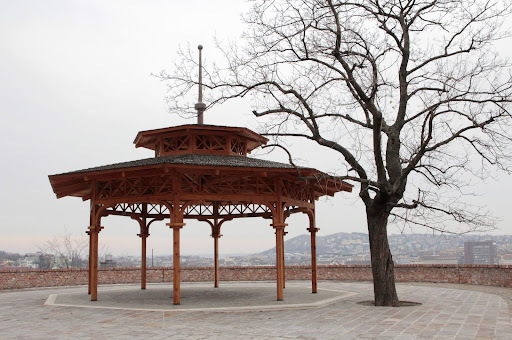
Placement determines how well the garden arbor works with the rest of the space. The most common placements are at garden entrances, along a garden path, or at the edge of a patio to define an outdoor room.
When adding an arbor along a path, make sure the structure is wide enough to walk through comfortably. A standard walkthrough arbor should be at least four feet wide and seven feet tall. Going narrower makes the experience feel cramped rather than inviting.
Step 1: Look at the overall style of the home and yard.
Step 2: Pick a material (wood or metal) that fits that style.
Step 3: Choose a size that fits the intended location comfortably.
Step 4: Select decorative elements like lattice, scrollwork, or clean lines based on garden style.
Step 5: Pick climbing plants that suit the local climate and sun exposure.
Step 6: Position the arbor to create a natural flow through the outdoor space.
Yes, and the two go hand in hand. An oversized garden arbor in a small yard can feel imposing. A tiny arch in a large yard disappears. Getting the proportions right is what makes the structure feel like it belongs.
A good rule of thumb: the arbor should be tall enough to feel grand but not so tall that it blocks sightlines across the yard. For most residential yards, a height between seven and nine feet works well.
Width matters too. If the garden arbor sits at the start of a garden path, the opening should mirror the path’s width with a foot or two of clearance on each side.
Fence Master serves San Carlos, Redwood City, and surrounding communities with custom outdoor structures built to last. From custom arbors and pergolas to gates, fencing, and decks, every project gets the same attention to detail and quality craftsmanship. Call +1-650-465-2649 now or book a free estimate online today.
For Free Estimate Book NowA compact arbor between four and six feet wide at seven feet tall suits small yards well. Keep the frame slender so it adds structure without crowding the outdoor space.
Climbing roses attach via thorns rather than suction, so they cause minimal structural damage. Sealing the wood regularly and training the canes with ties protects the wooden arbor long term.
Most climbing vines take one to three growing seasons to provide full coverage. Fast growers like Virginia creeper can fill an arbor within a single warm season with good watering.
Powder-coated or galvanized metal arbors handle coastal conditions well. Check for rust-resistant coatings before buying and rinse the frame occasionally to remove salt buildup and extend its lifespan.
Post anchors set in concrete work best for permanent arbors. For softer soil, go at least two feet deep per post. A stable base keeps the arbor safe through wind and the weight of climbing plants.