Most backyards sit empty for ten months a year. Not because homeowners don’t care about them. Since the sun makes them unbearable by 11am in summer, and the rain makes them off limits the rest of the year.
You bought a house, you pictured family dinners outside, and those lazy Sunday mornings with coffee, then reality showed up, maybe three solid months a year, and a little patch of grass that nobody really bothers.
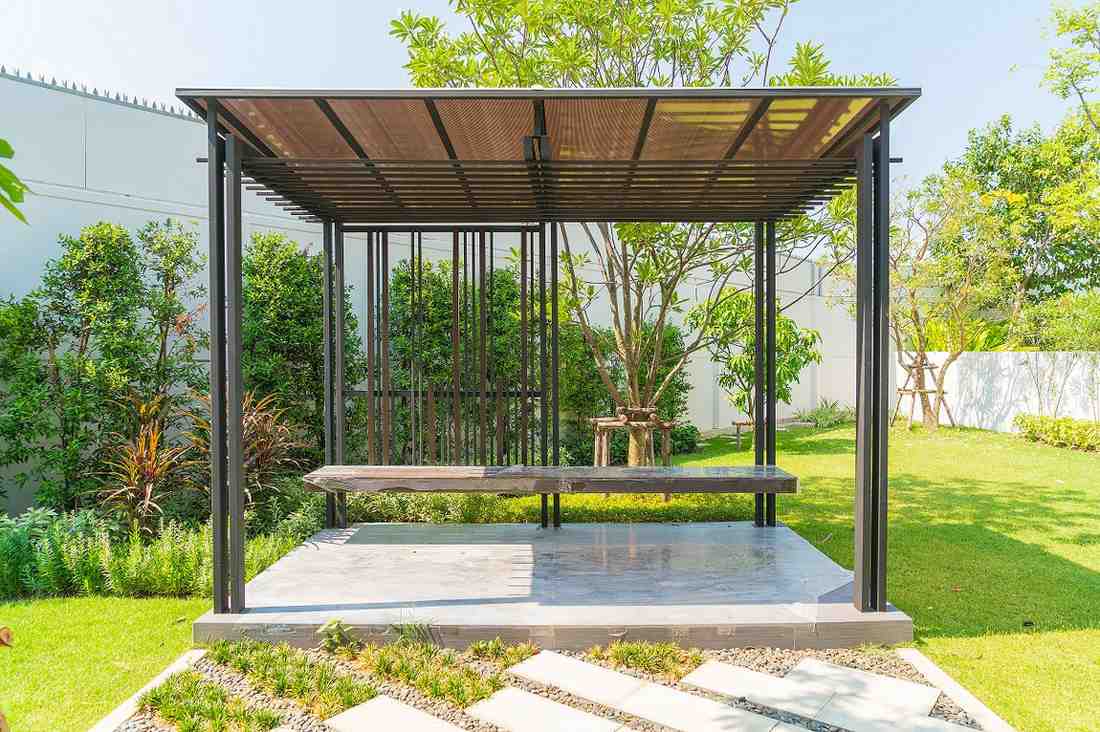
A well placed patio cover can turn your backyard from a thing you mow into a place you actually use and well, that little gap matters more than most folks will ever admit.
Think about how much money goes into kitchen remodels. Quartz countertops, a $9,000 range, cabinet hardware that costs more than some people’s monthly car payment. Meanwhile the backyard, often the single largest room attached to the house, gets a grill and a sad set of plastic chairs.
Here’s the thing: square footage you can’t comfortably use is not really square footage. It is potential, sitting there, waiting on the shade.
A patio cover is what turns “I guess we could sit out there” into “let’s eat dinner outside tonight.” It’s not decoration. It’s infrastructure for actually using the outdoor space you’re already paying property taxes on.
Let’s look at why some yards feel amazing while others feel completely awkward and disjointed. It comes down to structure. Going from a plain slab of concrete to a true extension of the house requires deliberate planning. You can’t just throw furniture outside. Creating a space that actually draws people outside requires specific intention.
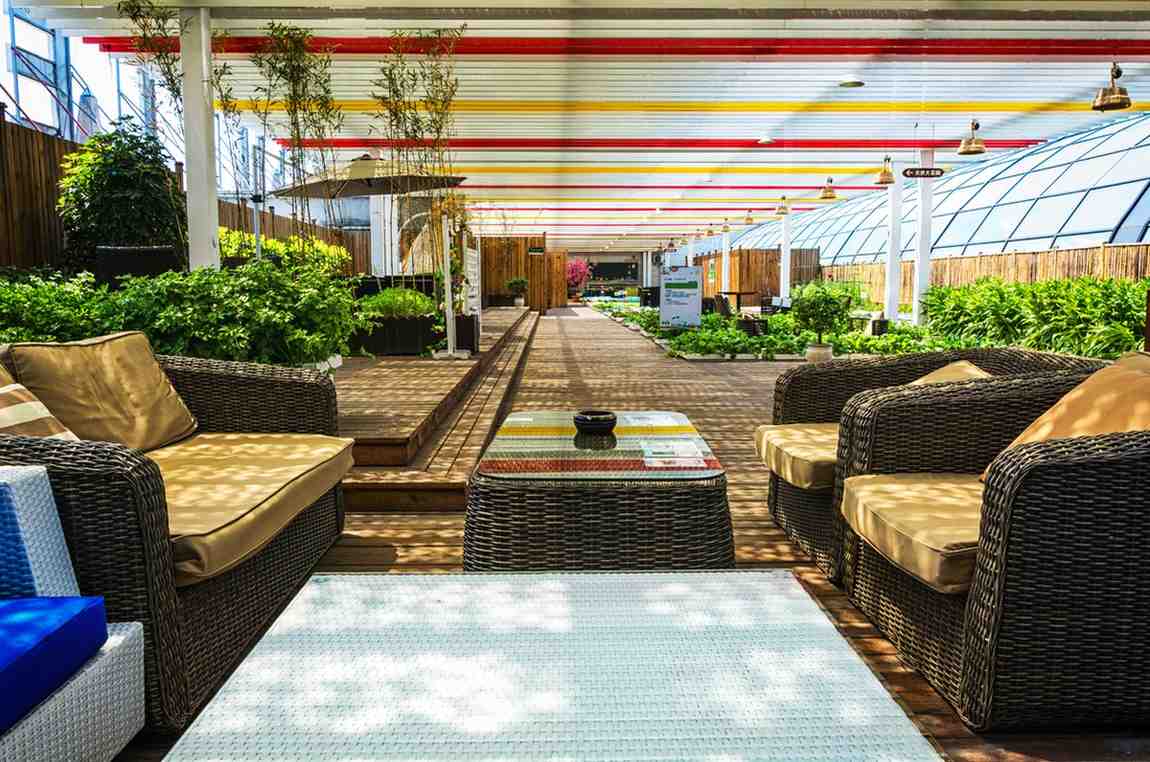
Creating an outdoor layout’s incredibly similar to organizing a small studio apartment. You need distinct boundaries. A good cover physically outlines your seating areas so people know exactly where to gather naturally. It frames the furniture beautifully. Without it, chairs just float aimlessly in a giant sea of green grass. People feel exposed. You might want one cozy corner for drinking wine and another separate spot for hosting loud dinner parties. Roofs give those zones a clear purpose. Walls aren’t necessary.
Adding sensory bits of detail makes people want to linger outside a lot longer. First comes the plain stuff, the absolute basics. Overhead fans keep that humid air drifting around in a smoother, almost easygoing way, during those famously sticky July afternoons. After that, you set up nearby water features. It helps cover up that obnoxious sound of your neighbor, who’s aggressively mowing their lawn, nonstop, like it’s a contest.
String lights add instant atmosphere. Hanging them from thick rafters completely changes the evening mood. Outdoor speakers hidden in the corners provide a smooth background soundtrack for your guests. These visual and audio layers demand a sturdy ceiling to hold everything up safely above your head. Proper attention to detail matters. It works incredible magic for your home.
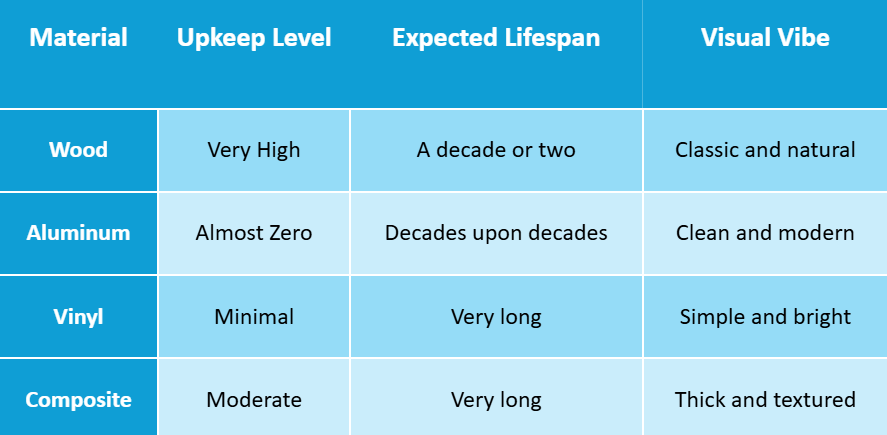
What this means for you is making a big choice about future maintenance. Materials matter immensely. Different building options provide completely different experiences over the long term for your daily routine. Wood looks beautiful but rots if you ignore the upkeep completely. Aluminum’s incredibly tough. Vinyl offers super easy cleaning but lacks that classic rustic charm some people desperately want. Composite blends durability with texture perfectly. Let’s break down the most popular choices people make today.
Short answer: yes, generally, and real estate agents will tell you the same thing. Outdoor living spaces consistently show up on buyer wish lists, especially in regions where people spend half the year outside anyway. A well-built cover signals long term care, the kind that says the rest of the house has probably been looked after too.
It’s not a guaranteed dollar for dollar return, and anyone promising an exact number is guessing. But a patio cover, done well, tends to recoup a meaningful chunk of its cost at resale while giving you years of daily use first. Few home improvements offer both.
Avoid these mistakes while adding a patio cover:
You don’t really need to redo the whole yard at once. Just begin with the cover, get the shade and weather protection sorted, and then things tend to follow, sort of naturally. Like furniture, lighting, or maybe that water feature you keep thinking about.
When you’re ready to talk through what fits your space and your climate, the expert team at Fence Master can walk you through your options.
For Free Estimate Book NowMost well-built covers last 20 to 30 years with basic upkeep. Aluminum and steel tend to outlast wood, especially in humid or coastal climates that wear down wood faster.
In most areas, yes, especially for anything attached to your house. Requirements vary by city and structure, so check with your local building department before construction starts.
Usually, yes. Most covers can go over an existing concrete or paver patio without tearing it out, as long as the surface is level and footings can be anchored properly.
A patio cover typically offers full or adjustable shade and weather protection, while a traditional pergola has open or minimally covered slats. Pergolas lean decorative, patio covers lean functional.
It depends entirely on the style. Solid roofs block nearly all direct sun, louvered systems adjust on demand, and lattice or pergola designs typically block 40 to 60 percent.