A backyard deck often becomes the heart of family time. It holds chairs, plants, and quiet evening talks. Still, even a strong deck can wear down over time. Weather, bugs, and daily use slowly weaken the structure. Therefore, learning what harms a deck helps protect it.
Fence Master often helps homeowners restore safe outdoor spaces. A well-cared deck supports years of outdoor living and comfort. However, small problems can grow fast when ignored.
Below is a closer look at what causes deck trouble. More importantly, it explains how deck repair solves those problems.
Rain looks harmless when it falls on wood surfaces. However, trapped moisture slowly breaks down fibers inside boards. Over time, water damage weakens support posts and steps.
A resident in Redwood City once noticed soft spots near the stairs. The boards felt spongy after heavy rain. Soon, the wood began splitting under light pressure.
This happens because moisture seeps into cracks and joints. Then, the wood expands and shrinks during warm days. As a result, boards loosen and nails shift.
When repairs begin early, the fix is simple. Replacing damaged deck boards stops the spread of decay. Sealing the surface also keeps water out. This step ensures your deck lasts through future storms.
Fence Master teams often check hidden framing during repairs. This careful process ensures that the deck is safe for families.
Many decks use strong lumber built for outdoor weather. Still, even pressure treated wood can break down eventually. Moisture and shade together often cause rotting wood.
A soft beam under the deck may not be visible. However, it can no longer hold weight safely. This hidden decay often leads to structural damage.
For example, a wooden deck near a garden hose may stay damp daily. After several seasons, the support beams begin crumbling. Then the surface boards start sinking slightly.
Repair crews remove weak sections and install fresh supports. New sealed wood blocks moisture from returning. As a result, the frame becomes stable again.
Regular checks help spot rot early. Professionals always inspect your deck boards, posts, and stairs carefully.
Termites and carpenter ants rarely appear in open daylight. However, they chew through wood from the inside. This hidden activity leads to serious insect damage.
A homeowner once noticed tiny holes near railing posts. Sawdust gathered under the deck after windy days. Soon, parts of the railing began to lean.
Bug activity often targets damp wood first. Therefore, areas already affected by water damage face higher risk. Left alone, insects weaken beams and joints.
Repair teams replace damaged sections and treat nearby wood. Sealing cracks keeps insects from returning later. This process protects both old and new boards.
Fence Master crews often suggest stronger materials when needed. In some cases, composite decking replaces wood in high-risk spots.
Movement is never a good sign on a deck. Shaking stairs or wobbly railings usually mean loose fasteners. Over time, screws back out as boards shift.
Families often notice railings moving during gatherings. Children leaning on rails may cause sudden shaking. Naturally, this raises safety concerns.
A common deck issue involves boards pulling away from joists. This happens when fasteners rust or wood shrinks. However, tightening hardware alone may not solve the problem.
Repair workers check the frame below the surface. If needed, they secure boards with stronger anchors. This step restores stability and keeps visitors safe.
Proper reinforcement also prevents future movement. As a result, the deck feels solid again.
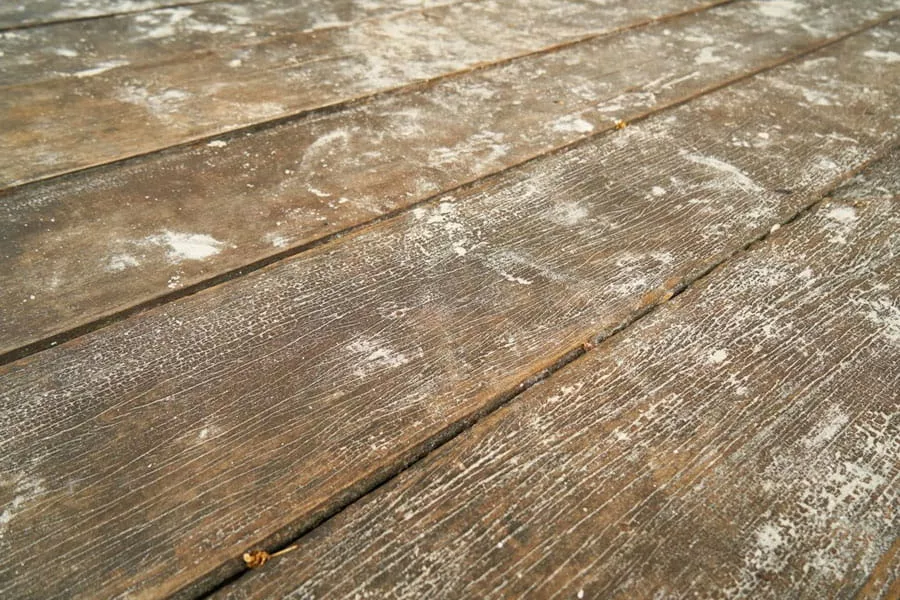
Constant sunlight dries wood over many seasons. Then boards fade, crack, and splinter slowly. Heavy foot traffic adds stress across the surface.
Outdoor furniture can trap moisture under legs. Planters sometimes leak water onto boards below. These small habits slowly weaken materials.
Eventually, boards feel rough under bare feet. Some edges curl upward from repeated drying. While this looks minor, deeper problems may exist.
Repair crews sand rough areas and replace cracked boards. Protective sealers restore color and strength. This care keeps surfaces smooth and safe.
Fence Master often sees decks revived after simple updates. Fresh boards can make the entire space feel new.
Some warning signs appear long before severe damage begins. Watching for them helps avoid costly repairs later.
Look for these common clues:
Spotting these signs early protects the structure. It also keeps repair costs manageable.
Repair work focuses on safety first. Teams check beams, joists, and connection points carefully. This step finds hidden structural damage quickly.
Next, damaged boards get removed and replaced. Matching materials keep the deck looking natural. In some homes, composite decking offers longer lasting protection.
Support posts may receive metal anchors for stability. Railings get reinforced to prevent shifting. Each repair step ensures your deck remains strong.
Sealing finishes protect surfaces from future water damage. Regular care keeps materials from cracking again. Over time, this maintenance keeps the deck safe for everyone.
Fence Master repair teams focus on practical solutions. Their work supports both safety and comfort outdoors.
Deck care does not require complex tools. However, small habits make a big difference. Cleaning leaves and dirt keeps moisture from collecting.
Checking screws each season prevents movement later. Homeowners should also inspect their deck after storms. Early fixes stop problems from spreading.
Simple steps help protect a common deck from aging too fast. Sealing wood every few years blocks moisture. Keeping plants slightly raised improves airflow.
These small actions protect wood from rotting wood and cracks. They also reduce risk of insect damage. Regular care supports long-lasting outdoor living spaces.
A worn deck does not always need replacement. Skilled deck repair often restores strength and beauty quickly. Fence Master crews understand how weather affects local decks.
Careful repairs fix structural damage before it becomes dangerous. Replacing weak deck boards improves both safety and appearance. Strong materials like pressure treated lumber extend deck life.
For Free Estimate Book Now